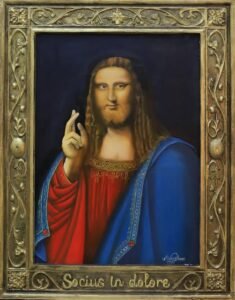
لوحة رفيق الحزن Socius in dolore
لوحة رفيق الحزن Socius in dolore – عمل فني روحي فريد في القاهرة
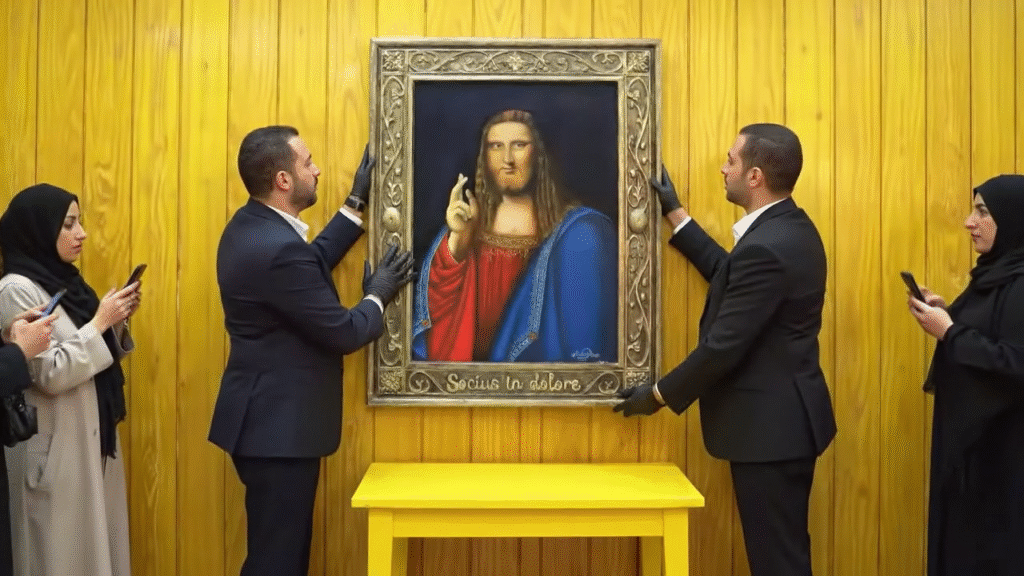
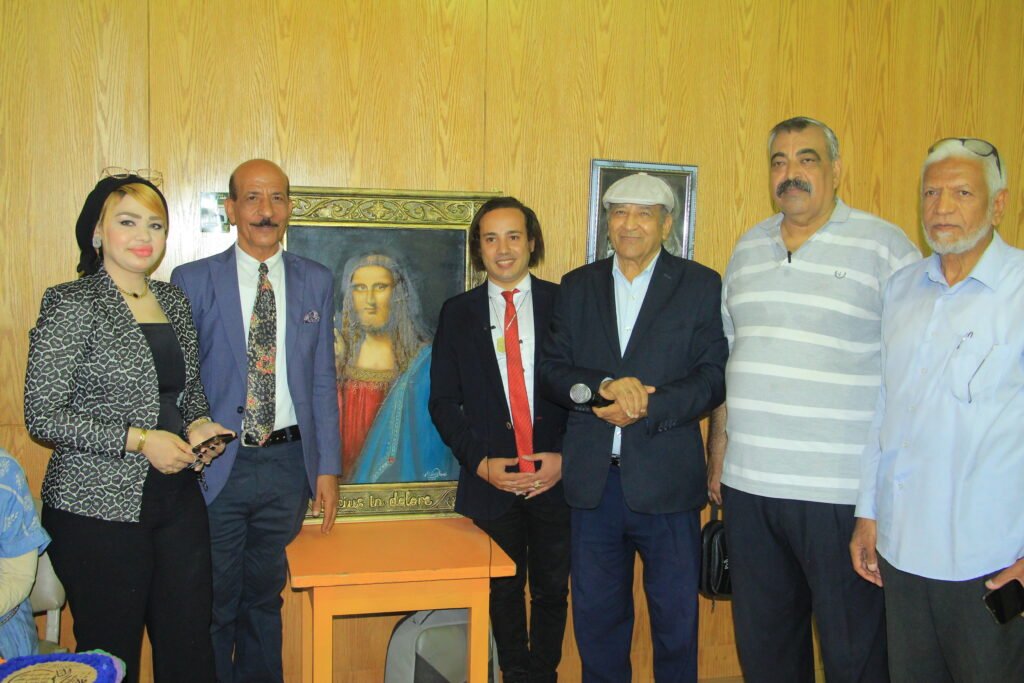
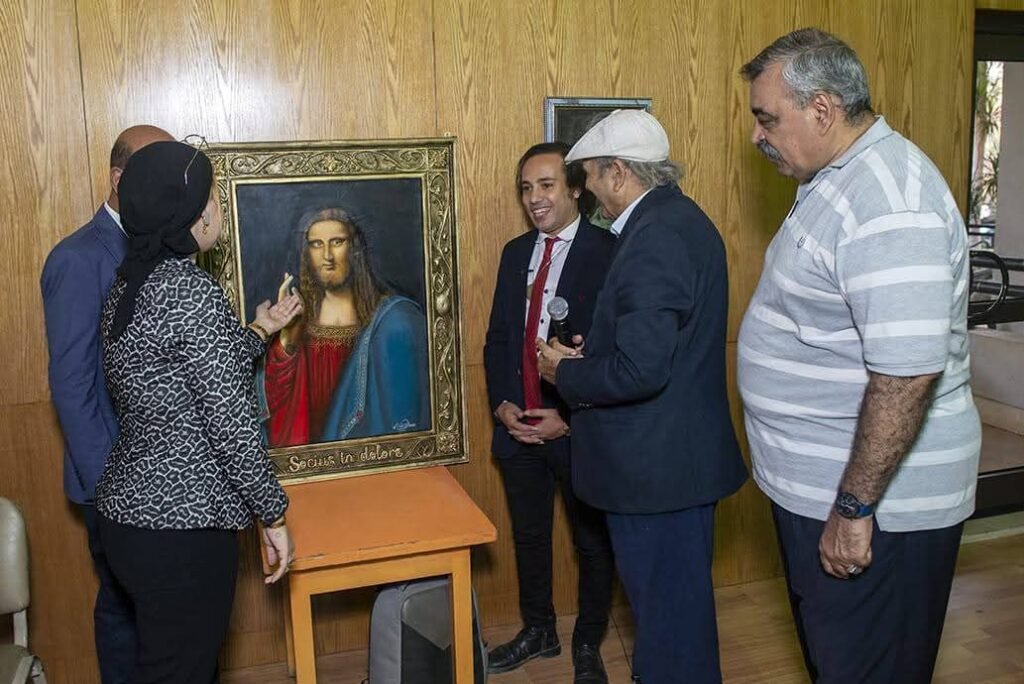
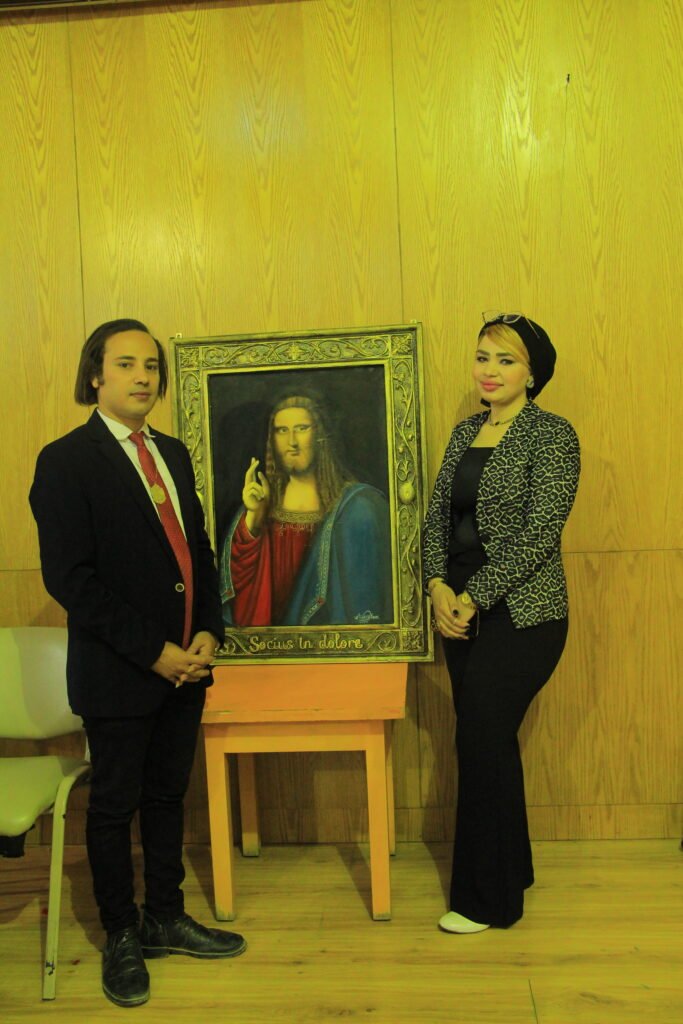
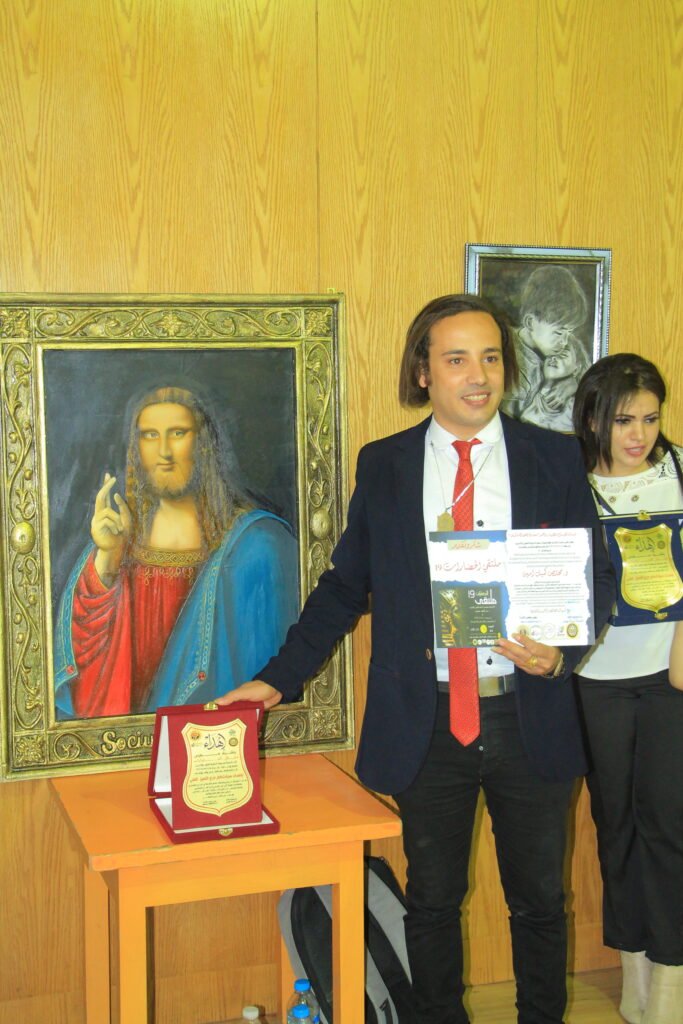
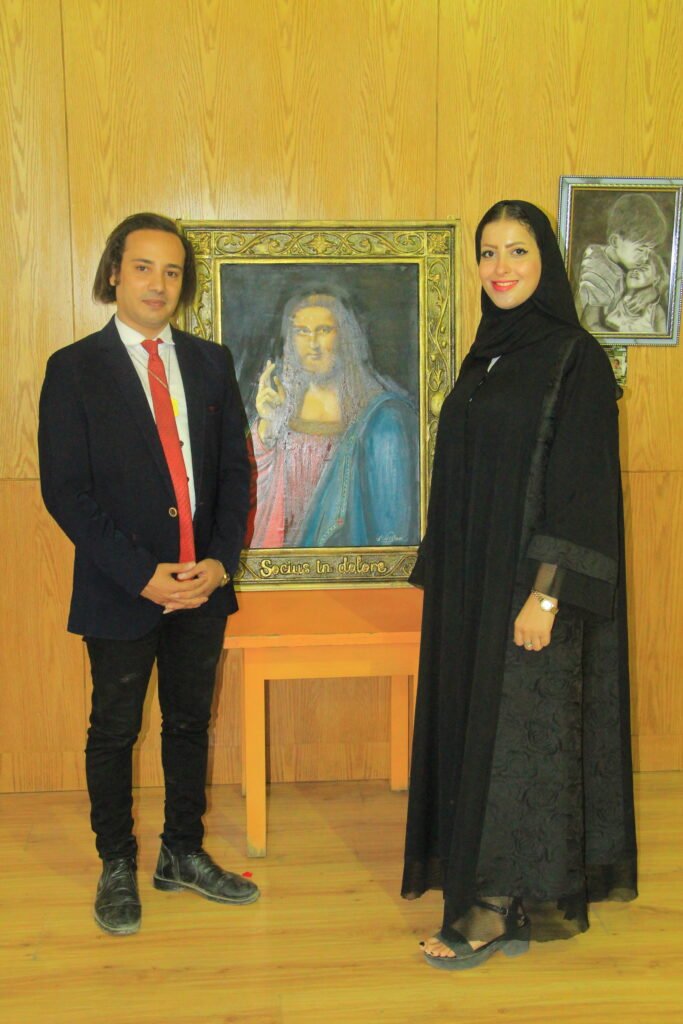
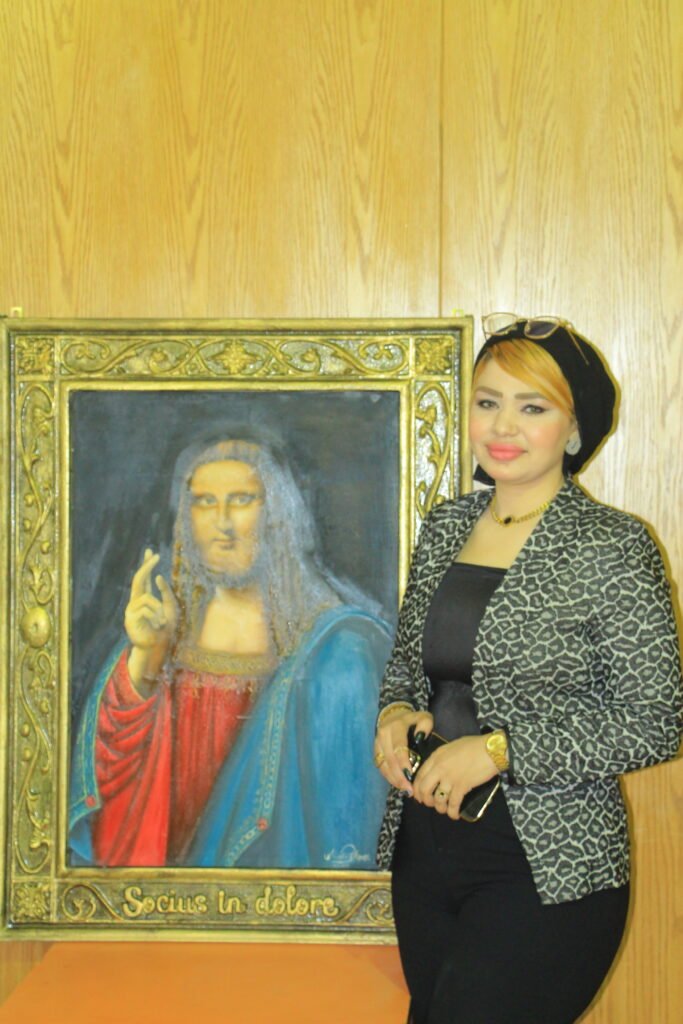
في 8 أغسطس 2025، شهدت مكتبة مصر العامة بالقاهرة حدثًا فنيًا استثنائيًا بإزاحة الستار عن لوحة بعنوان “Socius in dolore”، أي “رفيق الحزن”.
سرعان ما أصبح هذا العمل الفني الرائع للفنان المصري المعاصر مخلص كميل من أكثر الأعمال الفنية إثارةً للجدل هذا العام، حيث نال إعجاب النقاد والجمهور على حد سواء.
رفيق الحزن – لوحة تتجاوز المألوف
استغرق إنجاز أكثر من عام وثلاثة أشهر من العمل المتواصل. رُسمت على قماش وأُطرت بإطار خشبي مصنوع خصيصًا، وتتميز هذه
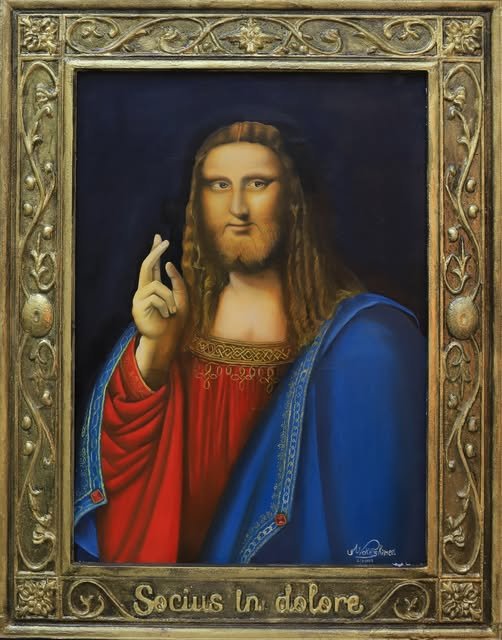
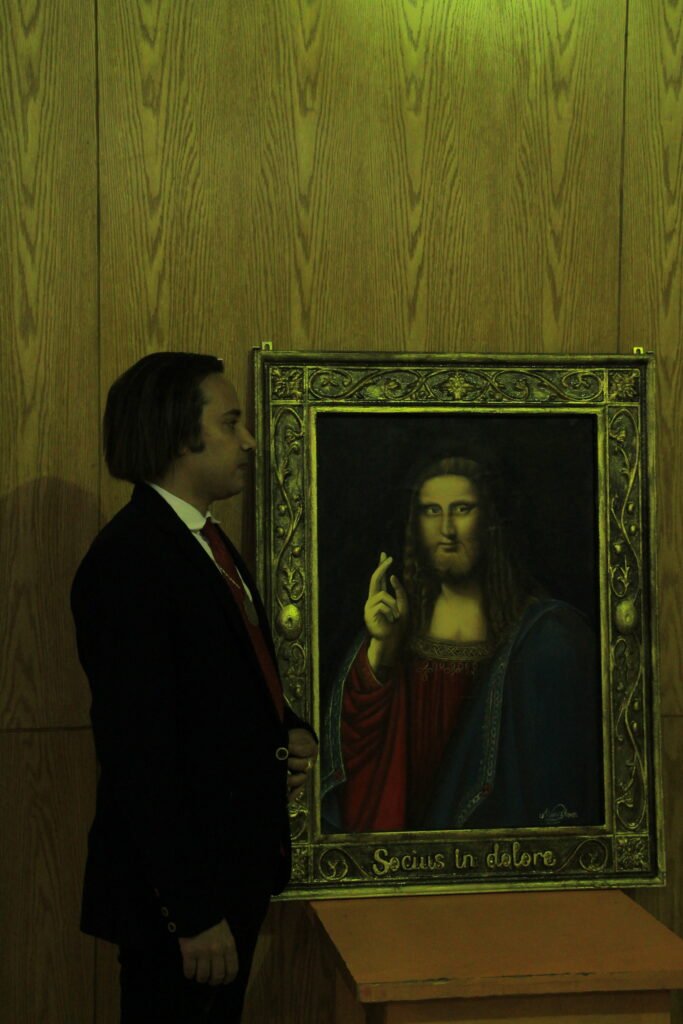
اللوحة ليس فقط بصورها، بل أيضًا بتصميمها. يحمل الإطار نفسه العنوان اللاتيني المنقوش “Socius in dolore”، مما يجعلها جزءًا من الرسالة الفنية.
سرّ العيون في لوحة “الحزن”
ما أثار إعجاب النقاد في لوحة المسيح هذه هو التناقض البصري في نظرته. للوهلة الأولى، يبدو المسيح وكأنه يُشيح بنظره عن الرائي.
لكن مع التدقيق، تبدو عيناه وكأنهما تتبعانك أينما وقفت. وقد ترك هذا الوهم البصري الدقيق أثرًا نفسيًا وروحيًا عميقًا، وكأن اللوحة نفسها ترافق الرائي.
الغموض والسلام في وجه المسيح
من التفاصيل اللافتة في لوحة “رفيق الحزن” غياب الحواجب والرموش – وهو أسلوب يُذكرنا بأسلوب ليوناردو دافنشي. تُعزز هذه التقنية
هالة الغموض، مُضفيةً على الشخصية طابعًا أثيريًا خالدًا. حتى أن بعض النقاد وصفوا مخلص كميل بأنه “رسام من مدرسة دافنشي الكلاسيكية”.
ومع ذلك، ورغم الغموض، يشعر الرائي بالسلام والطمأنينة عند النظر في عيني المسيح.
رمزية الألوان في لوحة “رفيق في الحزن”
تحمل الألوان معانٍ رمزية عميقة:
يرمز اللون الأحمر في الرداء إلى المعاناة والتضحية والدم.
يمثل اللون الأزرق في الرداء العظمة والقداسة والألوهية.
يُشكل اللونان معًا رسالة مزدوجة: المعاناة لا تُلغي العظمة، والعظمة لا تُخفي المعاناة.
اليد المباركة واليد الخفية
في اللوحة، تُرفع يد المسيح اليسرى في إشارة مباركة، موجهة مباشرةً نحو المشاهد. بينما تبقى اليد اليمنى مخفية تحت الرداء الأزرق –
خفية، لكنها محسوسة بعمق. هذا يرمز إلى قوة الله الخفية، التي تعمل في صمت، خفية لكنها حاضرة دائمًا.
الخلفية السوداء – حضور في الظلام
الخلفية السوداء الداكنة ليست مجرد فراغ. إنها تُمثل ظلام النفس البشرية في لحظات اليأس. ومع ذلك، في خضم هذا الظلام، يقف المسيح رافعًا يده مباركًا،
مذكرًا المشاهد بأن الله يبقى حاضرًا حتى في الحزن – رفيقًا لا يتخلى أبدًا، ونورًا لا ينطفئ أبدًا.
استقبال نقدي للوحة “رفيق الحزن”
أشاد نقاد الفن بالإجماع بلوحة “رفيق الحزن” Socius in dolore باعتبارها من أعمق أعمال عام ٢٠٢٥. ووصفتها الصحافة المحلية بأنها “عمل يربط الفن بالروحانية”.
وعلق الناقد الفني والمهندس رأفت قائلاً: “هذا عملٌ ضخم… ويبدو أن مخلص كميل يطمح حقًا لأن يصبح عملاقًا”.
الاعلام والصحافة قبل العرض
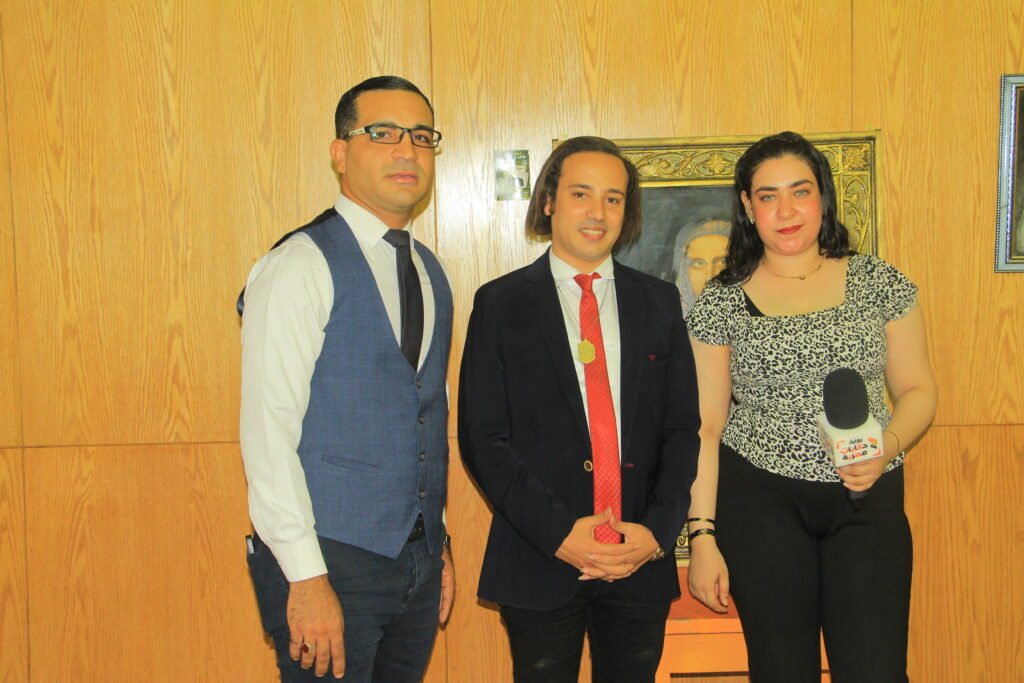
نشرت اللوحة فى العديد من الصحف المصرية والعربيقة قبل عرضها واستعداداً لعرضها انتظرها الجمهور طيله فترة الانتظار تحدثت جريدة
صدى مصر وجريدة حكاية وطن و جريدة اخبار الوطن و جريدة الصحافة و وكالة انباء اسيا و جريدة الصوت والعديد والعديد من الصحف العربية والمصرية
الخاتمة – لوحة تتجاوز الفن
لوحة “رفيق الحزن” Socius in dolore ليست مجرد لوحة تُرى، بل هي تجربة روحية تُعاش. إنها تدعو المشاهدين إلى التأمل في معنى الألم،
وفي حقيقة أن الله حاضر في كل حزن – رفيقًا ونورًا أبديًا.
مخلص كميل
Companion in Sorrow (Socius in dolore) – A Unique Spiritual Artwork in Cairo
On August 8, 2025, the Egypt Public Library in Cairo witnessed an extraordinary artistic event with the unveiling of a painting titled “Socius in dolore”, meaning “Companion in Sorrow.” This remarkable work by Egyptian contemporary artist Mokhles Kameel quickly became one of the most talked-about pieces of the year, admired by both critics and the public alike.
Companion in Sorrow – A Painting Beyond Tradition
The creation of Companion in Sorrow (Socius in dolore) took more than one year and three months of continuous work. Painted on canvas and framed with a specially crafted wooden frame, the piece stands out not only for its imagery but also for its design. The frame itself carries the engraved Latin title Socius in dolore, making it part of the artistic message.
The Mystery of the Eyes in Socius in dolore
What fascinated critics about this Christ painting was the visual paradox in His gaze. At first glance, Christ seems to look away from the viewer. Yet, with closer observation, His eyes appear to follow you wherever you stand. This subtle optical illusion created a deep psychological and spiritual impact, as though the painting itself accompanies the viewer.
Ambiguity and Peace in the Face of Christ
One striking detail in Companion in Sorrow is the absence of eyebrows and eyelashes—a style reminiscent of Leonardo da Vinci. This technique enhances the aura of mystery, giving the figure a timeless, ethereal quality. Some critics even described Mokhles Kameel as “a painter from Da Vinci’s classical school.” And yet, despite the ambiguity, the viewer feels a sense of peace and reassurance when gazing into the eyes of Christ.
Symbolism of Colors in Companion in Sorrow
The colors carry profound symbolic meaning:
Red in the robe symbolizes suffering, sacrifice, and blood.
Blue in the cloak represents greatness, holiness, and divinity.
Together, the two colors form a dual message: suffering does not cancel greatness, and greatness does not conceal suffering.
The Blessed Hand and the Hidden Hand
In the painting, Christ’s left hand is raised in a gesture of blessing, directed straight toward the viewer. Meanwhile, the right hand remains hidden under the blue cloak—unseen, but deeply felt. This symbolizes God’s unseen power, working in silence, invisible yet ever-present.
The Black Background – Presence Within Darkness
The dark, black background is not just emptiness. It represents the darkness of the human soul in moments of despair. Yet, in the midst of this darkness, Christ stands, raising His hand in blessing, reminding the viewer that God remains present even in sorrow—a companion who never abandons, a light that never fades.
Critical Reception of Companion in Sorrow
Art critics unanimously praised Companion in Sorrow (Socius in dolore) as one of the most profound works of 2025. Local press described it as “a work that bridges art and spirituality.” Art critic and engineer Raafat commented: “This is a monumental work… and it seems Mokhles Kameel truly aspires to become monumental himself.”
Conclusion – A Painting That Transcends Art
Companion in Sorrow – Socius in dolore is not just a painting to be observed, but a spiritual experience to be lived. It invites viewers to reflect on the meaning of pain, and on the reality that God is present in every sorrow—as a companion and an eternal light.
معرض صور



فيديوهات
لحظة تكريم
لقائات